
Foot health is often overlooked. Until it becomes a serious problem.
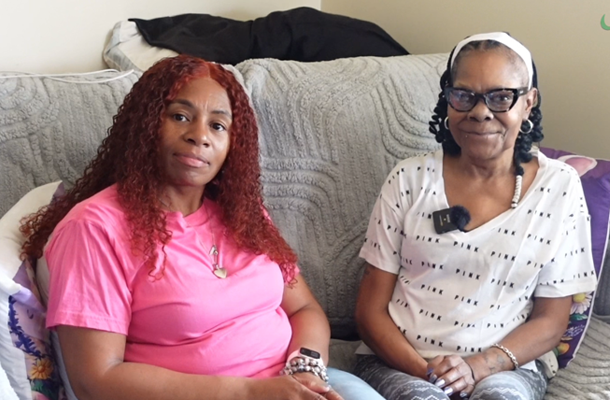
In the latest episode of The Sahara Podcast, host Eliya Rizvi sits down with Dr. Omar Mahmood, a board-certified podiatrist specializing in foot and ankle surgery, to discuss why foot care is critical for seniors and medically vulnerable individuals.
For home care agencies and caregivers, this conversation highlights practical knowledge that can prevent complications, hospitalizations, and even amputations.
Why Foot Care Matters More After Age 60
As we age, our bodies undergo natural wear and tear. According to Dr. Mahmood, aging leads to:
- Increased arthritic changes
- Loss of the protective fat pad on the bottom of the foot
- Inflammation from years of walking and pressure
- Decreased mobility
Foot and ankle function plays a major role in maintaining independence. Poor foot health can contribute to arthritis in the hips and knees, reduced activity levels, and even impact cardiac health due to decreased mobility.
Unfortunately, many people neglect foot care because lower extremity issues are not seen as immediately life-threatening.
Diabetes and the Lower Extremity: A Serious Risk
Diabetes affects the entire body including nerves, muscles, and circulation in the feet.
Even well-controlled diabetics can develop:
Peripheral Neuropathy
- Loss of protective sensation
- Inability to feel cuts or injuries
- Muscle atrophy in the foot
Structural Deformities
- Hammer toes
- Bunions
- Charcot neuroarthropathy (joint collapse)
Wound Complications
A small callus or cut can become infected quickly. Without proper blood flow and sensation, wounds can worsen sometimes leading to amputation.
Dr. Mahmood emphasizes that the biggest mistake in diabetic wound care is taking things too lightly.
Understanding Circulation Problems
Caregivers should be aware of two major types of vascular issues:
Venous Issues
- Leg swelling
- Pitting edema
- Varicose veins
- Skin thickening or dark discoloration
- Venous ulcers that may drain and smell
Arterial Issues (More Serious)
- Reduced blood flow
- Calcified arteries
- Atherosclerosis
- Cold skin
- Poor wound healing
- Risk of gangrene
Without adequate blood flow, even a minor toenail injury may not heal properly.
Wound Care: When to Act
Dr. Mahmood advises that:
- Any wound in an at-risk patient is serious.
- A wound open longer than two weeks is clinically infected.
- Redness, swelling, and drainage are local infection signs.
- Fever, chills, nausea, or vomiting are systemic signs requiring hospital care.
While waiting for medical attention, caregivers can:
- Clean wounds with saline
- Apply appropriate ointment (A&D or Mupirocin)
- Cover with a bandage
- Follow dressing change orders daily
Weekly skin checks should include:
- Heels
- Hips
- Base of the spine
- Elbows and shoulders
- Toes (especially in diabetics)
- Inside shoes
The Role of Caregivers
Caregivers are not expected to diagnose — but they are expected to observe and report.
They should:
- Notify supervisors of swelling, wounds, or abnormalities
- Encourage clients to follow up with primary care physicians
- Monitor pressure spots in immobile clients
- Take their own foot health seriously
Early detection can make the difference between simple treatment and a life-altering complication.
Through awareness, consistent monitoring, and proactive care, caregivers can dramatically reduce the risk of serious complications in seniors and individuals with diabetes.
To watch the full conversation with Dr. Mahmood, visit our YouTube channel and subscribe to The Sahara Podcast. Click here to watch!